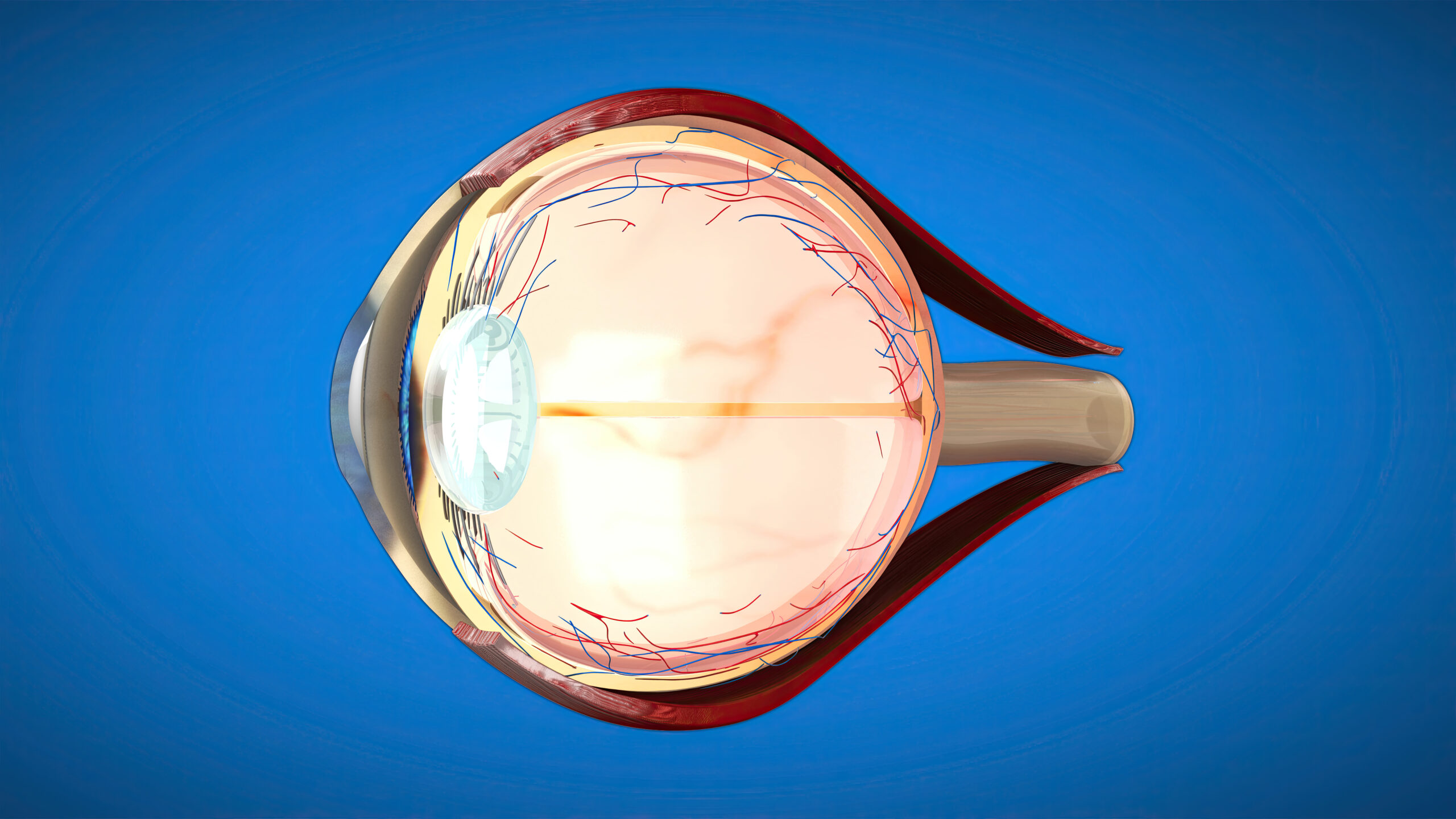
Vitreo-retina and Uvea services
The retina is the light sensitive layer present at the back of the eye that helps us see images clearly. The vitreous is the gel like substance inside the eye, and the uvea is the middle layer of the eye that includes structures responsible for blood supply and nourishment. Problems affecting these parts of the eye can sometimes develop slowly and sometimes appear suddenly.
At Sadhuram Eye Hospital, Vitreo Retina and Uvea services focus on evaluating, diagnosing, and managing conditions that affect these important structures of the eye and vision.
Conditions We Commonly Evaluate
• Diabetic Retinopathy
• Retinal Detachment
• Age related Macular Degeneration
• Retinal Vein Occlusion
• Macular Hole
• Uveitis
• Vitreous Hemorrhage
• Floaters and flashes
Not every retinal problem starts with severe symptoms. Some people only notice small changes like mild blurring or occasional floaters and assume it will settle on its own. In some cases, early attention can help avoid further vision problems.
Common Signs You Should Not Ignore
• Sudden blurring of vision
• Flashes of light
• Floaters or dark spots moving in vision
• Distortion of straight lines
• Reduced side vision
• Eye redness with pain
• Sudden decrease in vision
Symptoms can feel different for different people. Some notice a shadow in one part of their vision, while others describe it as looking through smoke or seeing small moving spots. Even symptoms that appear mild should not be ignored if they continue.
Understanding Diabetic Retinopathy
Diabetic retinopathy is one of the common retinal conditions seen in people with diabetes. High blood sugar levels over a long period can affect the tiny blood vessels present in the retina. These blood vessels may become weak, leak fluid, or undergo changes that affect normal vision.
The condition does not always show symptoms in the early stages. Many people continue their routine activities without realizing that changes are already happening inside the eye.
As the condition progresses, vision may slowly become blurred and some people may start noticing floaters, patches in vision, or difficulty seeing clearly.
Who may be at higher risk?
• Diabetes
• High blood pressure
• Family history of eye disease
• Smoking
• Increasing age
• Existing retinal problems
Having these factors does not necessarily mean a person will develop retinal disease, but regular eye examinations become important. Early changes are often easier to identify during routine evaluation than after symptoms become severe.
Treatment Options
• Retinal laser procedures
• Eye injections when needed
• Medical management
• Vitreoretinal surgery in selected cases
Treatment depends on the condition and its severity. Some retinal conditions may only require observation and follow up, while others may need procedures or surgery. The approach can vary from person to person.
Why Choose Us
• Detailed retinal evaluation
• Advanced diagnostic support
• Individual treatment planning
• Experienced care team
• Regular follow up and monitoring
Changes in vision do not always happen suddenly. Sometimes they begin with small symptoms that are easy to miss in day to day life. Understanding what is causing those changes is an important step toward planning the right care at the right time.